
The Odyssey (2026) is Christopher Nolan’s epic adaptation of Homer’s ancient Greek poem, starring Matt Damon as Odysseus, the king of Ithaca struggling to return home after the Trojan War. Featuring Tom Holland, Anne Hathaway, Zendaya, Robert Pattinson and Charlize Theron, the film combines mythological adventure with the intimate story of a man separated from his family. Our spoiler-free review looks at the premise, cast, literary source and extraordinary IMAX production.
Film information
| Release date | July 17, 2026 |
|---|---|
| Director | Christopher Nolan |
| Odysseus | Matt Damon |
| Cast | Tom Holland, Anne Hathaway, Zendaya, Robert Pattinson, Charlize Theron |
| Based on | Homer’s Odyssey |
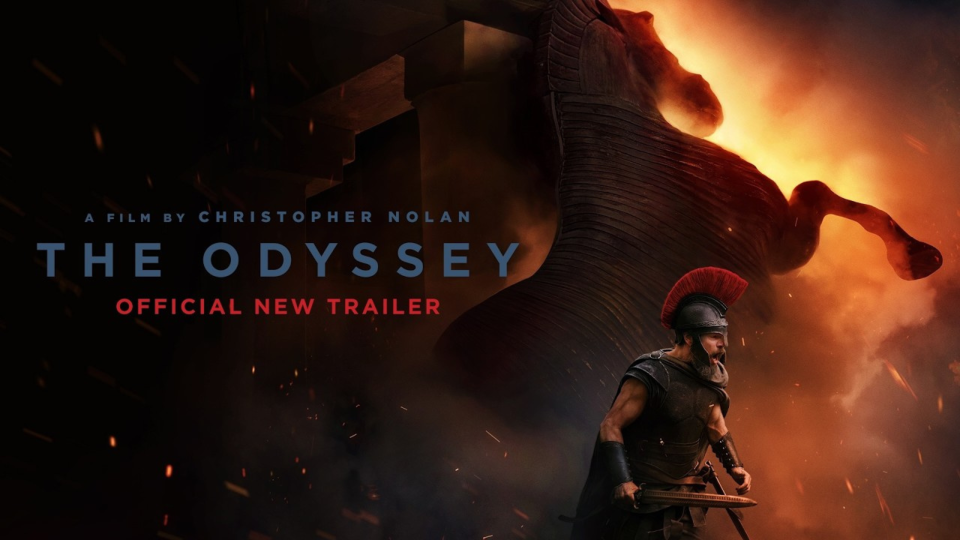
The Odyssey (2026): release date and filmmaking approach
The Odyssey opened in theaters on July 17, 2026. Christopher Nolan wrote and directed the film, with Emma Thomas producing through Syncopy. The production was shot entirely using IMAX film cameras, a technically demanding approach designed to bring vast landscapes, ships and mythological events to the largest screens. Universal promoted the project as a landmark for large-format filmmaking.
Yet the film’s ambition is not solely technical. At its heart lies a comparatively simple emotional goal: a man wants to return home after years of war and separation. The largest possible canvas can make that desire feel both heroic and painfully vulnerable. The challenge for any adaptation is making the human element compelling while presenting a world of gods, monsters and impossible voyages.
What is The Odyssey about? Spoiler-free story
After the Trojan War, Odysseus sets out for Ithaca, where his wife Penelope and son Telemachus await his return. The journey becomes a prolonged struggle against dangerous seas, supernatural obstacles and the interventions of powerful gods. Odysseus has to rely on intelligence and resilience as well as strength. The story is fundamentally about perseverance, but it also asks what years of wandering do to a person’s sense of identity and responsibility.
Back in Ithaca, time does not stand still. Penelope must navigate the pressures placed on her household, while Telemachus grows up without the father he remembers only imperfectly. This parallel domestic storyline gives the adventure its emotional weight. Without a family worth returning to, the dangerous journey would risk becoming little more than a collection of spectacular encounters.
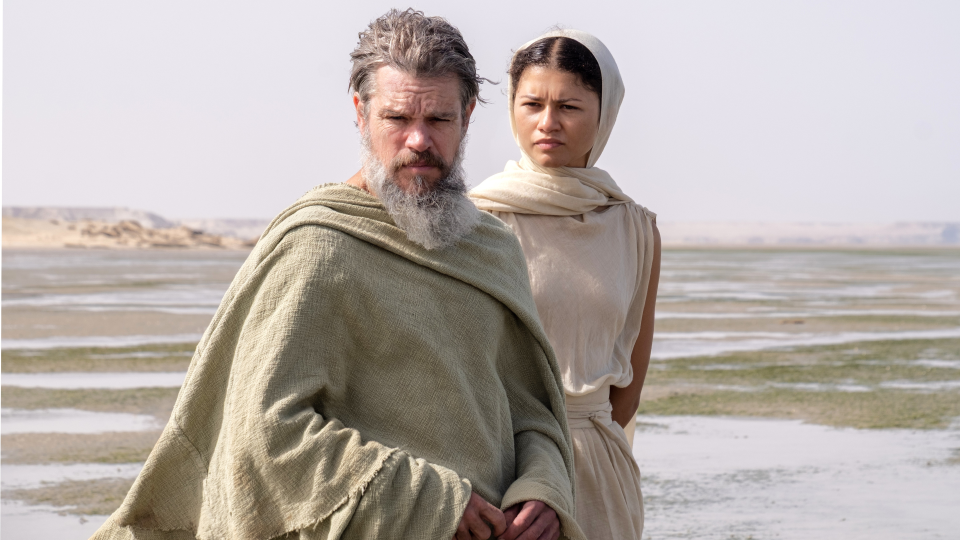
The Odyssey cast: Matt Damon, Tom Holland and Anne Hathaway
Matt Damon portrays Odysseus, and Tom Holland plays his son Telemachus. Anne Hathaway stars as Penelope, while Robert Pattinson appears as Antinous, a suitor pursuing Odysseus’ wife. Zendaya plays the goddess Athena, and Charlize Theron portrays Calypso. Universal’s production material also names Lupita Nyong’o, Samantha Morton and other performers in major mythological roles.
The ensemble is important because the epic moves between very different kinds of conflict. Some characters struggle over the leadership of Ithaca, while divine figures act according to their own priorities. A recognizable cast can draw audiences to the film, but convincing performances and meaningful character relationships are needed to prevent the mythology from becoming merely decorative.
How Nolan’s adaptation relates to Homer’s poem
Homer’s Odyssey is one of the foundational works of Western literature. Although it contains legendary adventures, its enduring concerns are remarkably familiar: loss, loyalty, memory, temptation, hospitality and the struggle to return to one’s family. An adaptation must make choices about how to translate this sprawling material into a single coherent film.
The central character is especially appealing because he is not simply the strongest warrior. Odysseus survives through imagination, planning and the ability to understand situations that cannot be solved by force alone. He also makes errors, and those choices carry consequences. A modern interpretation becomes richer when it preserves this mixture of intelligence, courage and moral fallibility.
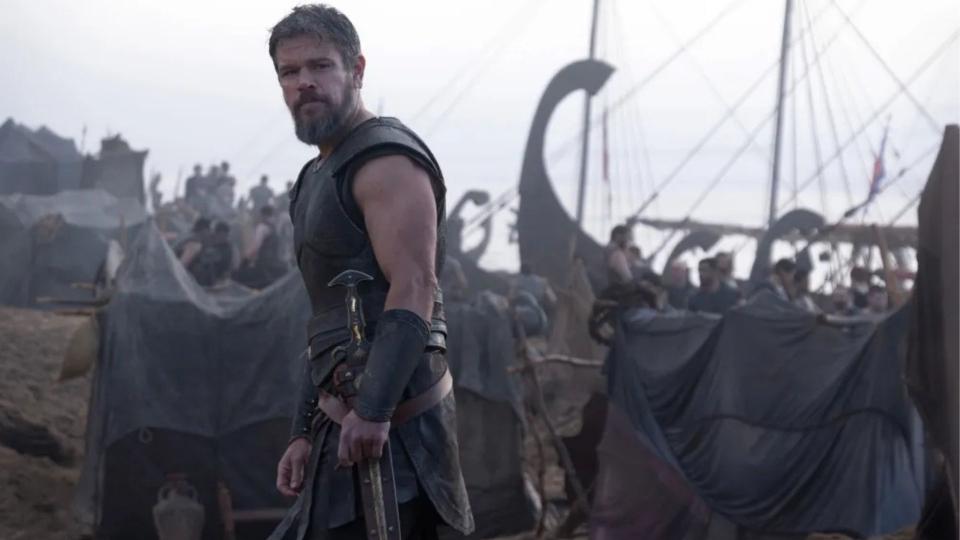
IMAX, practical production and mythological spectacle
Nolan’s filmmaking often involves carefully planned physical environments and ambitious photography. For The Odyssey, the production worked in multiple countries and assembled ships, elaborate costumes and large groups of performers. The IMAX format promises a distinctive sense of scale, especially in scenes where people appear very small against the ocean or ancient landscapes.
However, spectacle alone cannot carry an epic. The journey’s meaning comes from the contrast between external grandeur and personal vulnerability. Even a king who has survived a war cannot control the weather, fate or the will of the gods. That imbalance makes the voyage both thrilling and frightening, and it creates opportunities for visual storytelling that complements the emotional stakes.
Spoiler-free review: who will enjoy The Odyssey?
The film is an obvious choice for viewers interested in Greek mythology, ambitious historical adventures and Nolan’s directorial style. Readers of Homer may be curious about how the director handles the poem’s famous episodes and themes. Audiences unfamiliar with the original can still understand the key motivation: a traveler wants to get back to his home and the people waiting there.
This overview is based on Universal’s official film and production information, together with the literary background of the Odyssey. It does not pretend to offer an invented scene-by-scene judgment or reveal the ending of Nolan’s adaptation. For a deeper understanding of the film’s source, the poem itself remains an essential companion.
Frequently asked questions
When was the film released? July 17, 2026. Who stars as Odysseus? Matt Damon. Who directed it? Christopher Nolan.
Sources: NBCUniversal; Universal Pictures.
1 thought on “The Odyssey (2026) — Christopher Nolan Movie Review, Plot and Cast”