
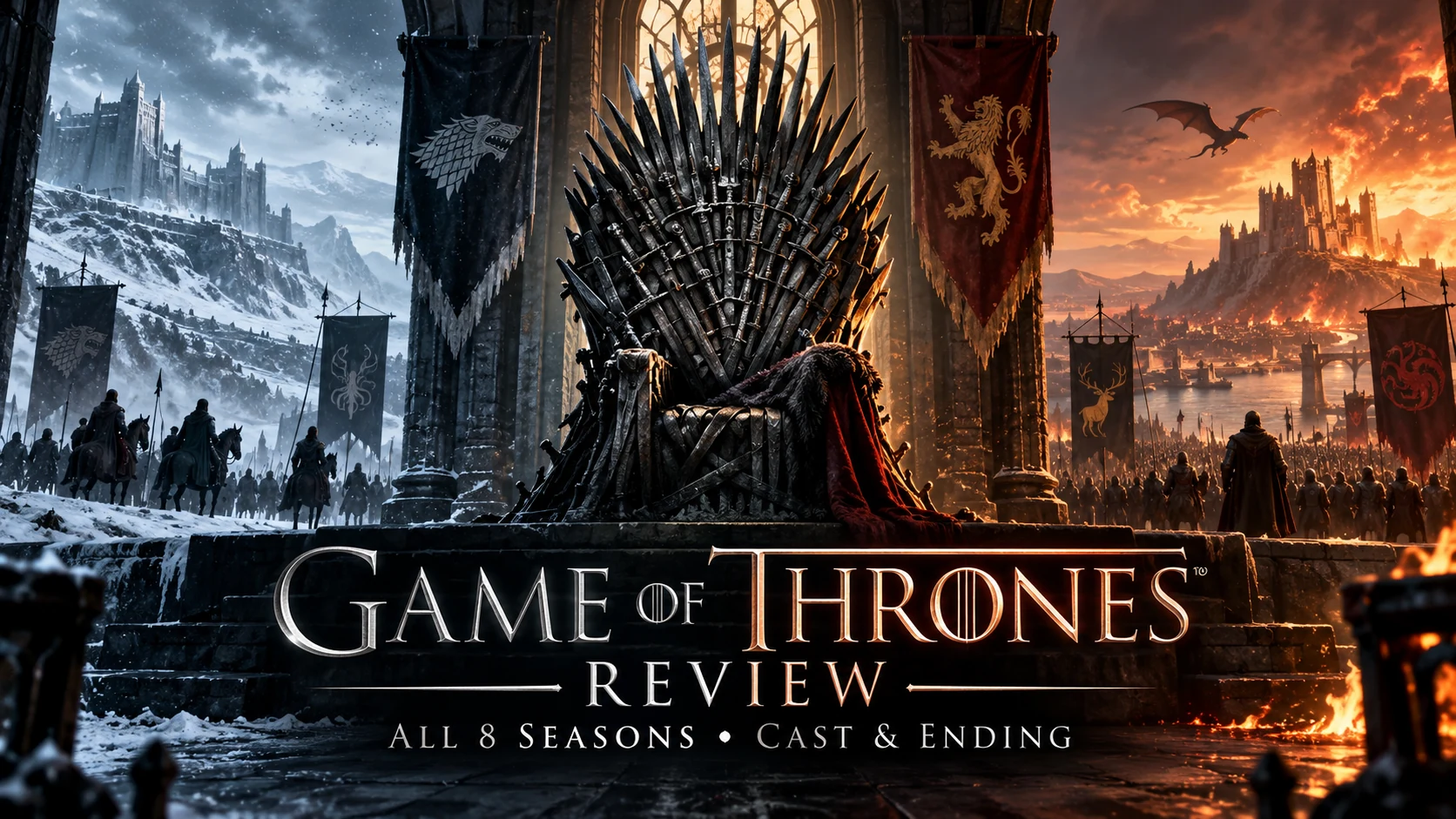
EPIC FANTASY · DRAMA · HBO
Eight seasons. Seven Kingdoms. One dangerous Iron Throne.
A spoiler-light review of HBO’s landmark fantasy series: the Starks, Lannisters and Targaryens, all eight seasons, outstanding performances, lasting influence and the divisive ending.
Spoiler-light · Cast · Seasons · FAQ
Game of Thrones (2011–2019) is HBO’s epic fantasy drama adapted from George R. R. Martin’s A Song of Ice and Fire novels. Its eight-season journey turned an ambitious television experiment into one of the defining cultural phenomena of the 2010s. Dragons, castles and large-scale battles helped build its reputation, but the real attraction was something less obvious: a world where affection and honor could become political weaknesses, and every alliance carried a price.
This Game of Thrones review covers the premise, cast, all eight seasons, the shift in storytelling pace, the much-debated ending and whether the full series is worth watching in 2026. It is designed for both first-time viewers and returning fans, with major twists and final outcomes kept out of the discussion.
The show premiered on April 17, 2011, and concluded on May 19, 2019, after 73 episodes. Television creators David Benioff and D. B. Weiss adapted Martin’s elaborate world, while Ramin Djawadi composed the instantly recognizable music. The series is complete and officially listed by HBO.
In this Game of Thrones review
What is Game of Thrones about? A spoiler-light story overview
Westeros is a continent divided among noble families, all struggling to protect their position in a fragile kingdom. When King Robert Baratheon visits Winterfell, he asks Eddard “Ned” Stark to become his Hand — a prestigious job that pulls the honorable northern lord into the dangerous politics of King’s Landing. Ned is competent, respected and principled. At court, none of those qualities guarantees safety.
Across the Narrow Sea, a young exile named Daenerys Targaryen begins a journey shaped by family expectations and a lost dynasty. Far to the north, Jon Snow joins the Night’s Watch, whose vast Wall protects the realm from threats that most southerners dismiss as myths. Initially, these stories feel like separate genres: court intrigue, survival, exile and ominous supernatural mystery. Gradually, their consequences begin to affect one another.
The most distinctive feature of Game of Thrones is its refusal to offer simple rewards for good intentions. Characters often choose between protecting a loved one, upholding an oath and staying alive. The show invites viewers to understand competing points of view without requiring them to endorse every decision. Its moral uncertainty is both exciting and unsettling.
Despite the fantasy setting, much of the early drama feels like historical fiction. Dragons and ancient magic matter, but the series first establishes politics, geography, customs and the everyday consequences of war. By the time its supernatural conflicts come to the forefront, Westeros already feels inhabited rather than constructed around special effects.
This is strictly an adult drama, with graphic violence, sexual content and disturbing subject matter. Anyone expecting a family-friendly fantasy adventure should know that the show is intentionally harsh.
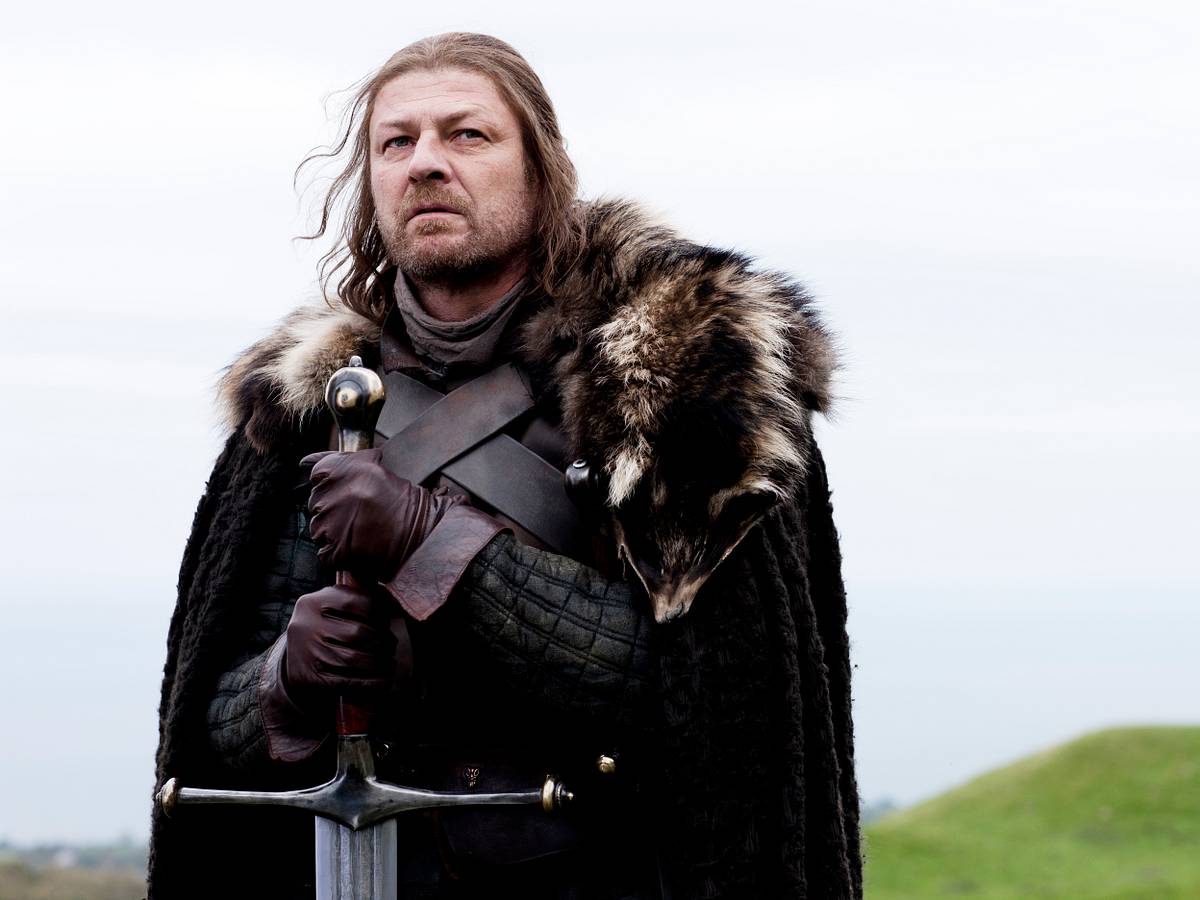
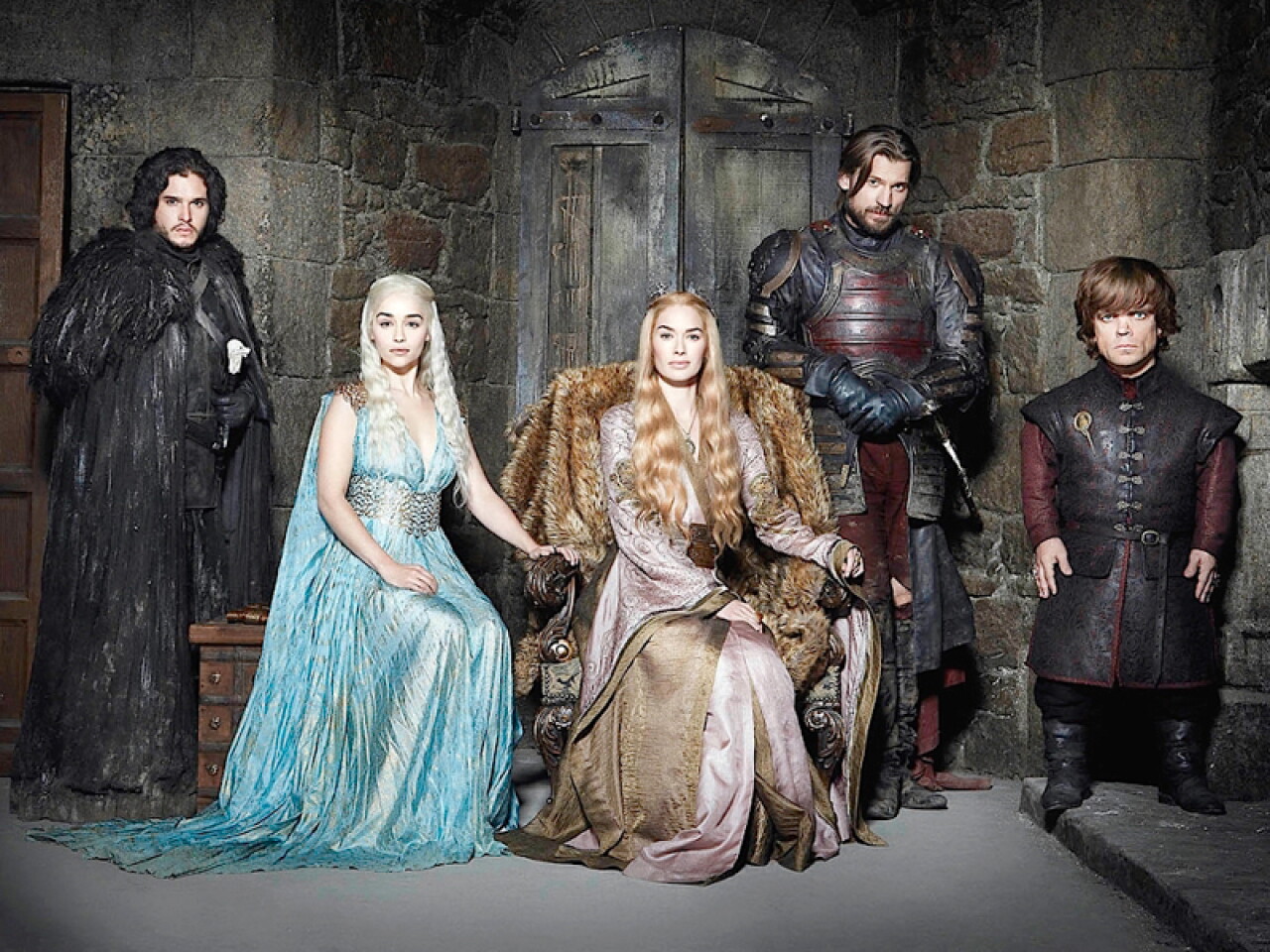
Game of Thrones cast: the actors who made Westeros believable
The ensemble is unusually large, yet many of its characters retain strong identities through changing alliances. Performances frequently do the work that exposition cannot: a glance during a conversation may reveal more than a lengthy explanation about a family’s history.
- Sean Bean as Eddard “Ned” Stark — the principled Warden of the North, uneasy with royal intrigue.
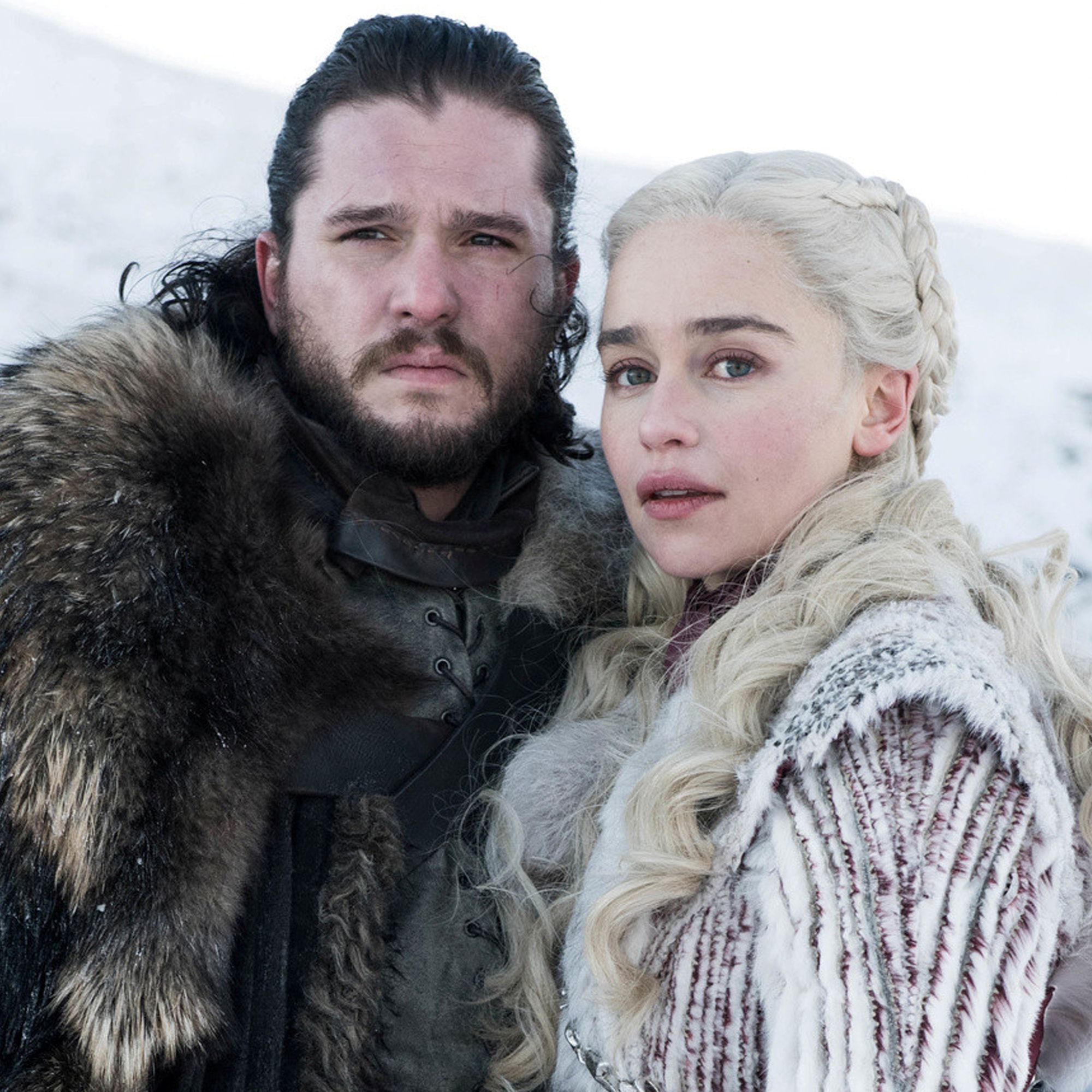
- Kit Harington as Jon Snow — a young man searching for belonging, purpose and honor beyond the Wall.
- Emilia Clarke as Daenerys Targaryen — an exiled heir whose journey redefines her understanding of power.
- Peter Dinklage as Tyrion Lannister — an observant and razor-sharp strategist who survives through wit.
- Lena Headey as Cersei Lannister — an intensely protective, ruthless political player.
- Nikolaj Coster-Waldau as Jaime Lannister — a celebrated knight with a complicated moral history.
- Sophie Turner as Sansa Stark — a young noblewoman forced to learn how political games are played.
- Maisie Williams as Arya Stark — independent, resourceful and determined to choose her own path.
- Isaac Hempstead Wright as Bran Stark — whose journey connects the human and mystical dimensions of Westeros.
- Charles Dance as Tywin Lannister — a formidable patriarch who treats power as a family responsibility.
Dinklage’s Tyrion stands out because the writing gives him more than sharp one-liners. He uses humor to protect himself, but his vulnerability makes that humor meaningful. Headey’s restrained performance makes Cersei more unsettling than a straightforward villain. Even characters who appear confident often reveal how intensely they fear losing control.
All eight Game of Thrones seasons: release years and episode counts
Game of Thrones has 8 seasons and 73 episodes. Seasons one through six contain ten episodes each, season seven has seven and the final season has six. The table gives newcomers a spoiler-light picture of how the story develops. On small screens it scrolls horizontally so years and season names remain legible.
| Season | Year | Episodes | Spoiler-light overview |
|---|---|---|---|
| Season 1 | 2011 | 10 | Introduces the Stark, Lannister and Targaryen families, Winterfell and the cost of power. |
| Season 2 | 2012 | 10 | Rival claimants compete for the crown as the conflict expands. |
| Season 3 | 2013 | 10 | Fragile alliances and the gap between honor and survival. |
| Season 4 | 2014 | 10 | Shifting influence, trials, consequences and new threats. |
| Season 5 | 2015 | 10 | Religion, authority and hard choices across Westeros and beyond. |
| Season 6 | 2016 | 10 | A season of major reckonings, especially in the North. |
| Season 7 | 2017 | 7 | Separate journeys converge as an existential danger grows. |
| Season 8 | 2019 | 6 | The final struggle for the realm and the Iron Throne. |
Seasons 1–2: the rules of the political game
The early episodes take their time with motivations and alliances. A careless promise or a private conversation can matter more than a swordfight. The War of the Five Kings expands the canvas in season two, yet the drama remains grounded in human decisions. Rather than choosing one obvious hero, the audience learns why different families believe they are entitled to lead.
Seasons 3–4: consequences of every alliance
This stretch of the series best demonstrates its appetite for risk. No house can rely on old victories, and characters repeatedly discover that honor, love and tactical thinking do not always point in the same direction. Tense conversations and brilliantly structured episodes make the show feel as unpredictable as real politics — even as fantasy elements become more visible.
Seasons 5–6: a wider world and bigger stakes
Religious power, military campaigns and long-hidden family histories come closer together. By this point, the adaptation is also moving beyond material available in Martin’s published novels. That creative independence produces some spectacular television, but it means the books and show increasingly follow different paths. Some viewers miss the earlier restraint; others value the dramatic momentum.
Seasons 7–8: convergence and conclusion
The last two seasons bring geographically distant characters together at a much faster pace. The visual spectacle grows, but travel, strategy and character transformation receive less room to develop. That shift — rather than any single ending choice — explains a great deal of the critical debate surrounding the finale.
What makes Game of Thrones so compelling?
The show’s greatest achievement is sustained political tension. It understands that ambition rarely operates alone: fear, loyalty, family obligation and personal humiliation shape the decisions of rulers. Characters can win a battle but lose their leverage at court. That complexity keeps the action connected to the people affected by it.
Worldbuilding is another major strength. Winterfell, King’s Landing, the lands beyond the Wall and the cities across the Narrow Sea look and feel genuinely different. Costume details, heraldry, architecture and even the rhythms of conversation establish competing cultures. Westeros never feels like one generic medieval location with changing scenery.
Ramin Djawadi’s score gives the story a powerful emotional identity. The opening theme is instantly recognizable, but the quieter musical ideas are just as important. They connect characters to places and memories, sometimes carrying meaning through scenes where words would make the emotion too obvious.
Still, Game of Thrones has weaknesses. Its use of shock can become excessive, and some depictions of violence or sexuality remain troubling. The enormous cast makes certain subplots uneven. In later seasons, spectacular set pieces occasionally receive more attention than the political consequences that made the early story fascinating.
Why the Game of Thrones ending remains divisive
The eighth and final season aired in 2019, closing a television story that had accumulated an extraordinary number of characters, conflicts and expectations. Six episodes had to deliver both large-scale confrontations and emotional closure for long-running storylines.
For many viewers, the biggest issue was pacing. Decisions that might have felt persuasive after a longer period of development arrive more quickly than the show’s earlier storytelling trained us to expect. Some choices fit the larger themes of power and ambition, yet the emotional steps leading to them are not always equally convincing.
There is another perspective: the ending refuses to treat political victory as the same thing as moral fulfillment, remaining consistent with the series’ suspicious view of power. Whether that thematic consistency makes the final episodes satisfying is personal. It is better to watch without knowing the specific outcomes and form an independent opinion.
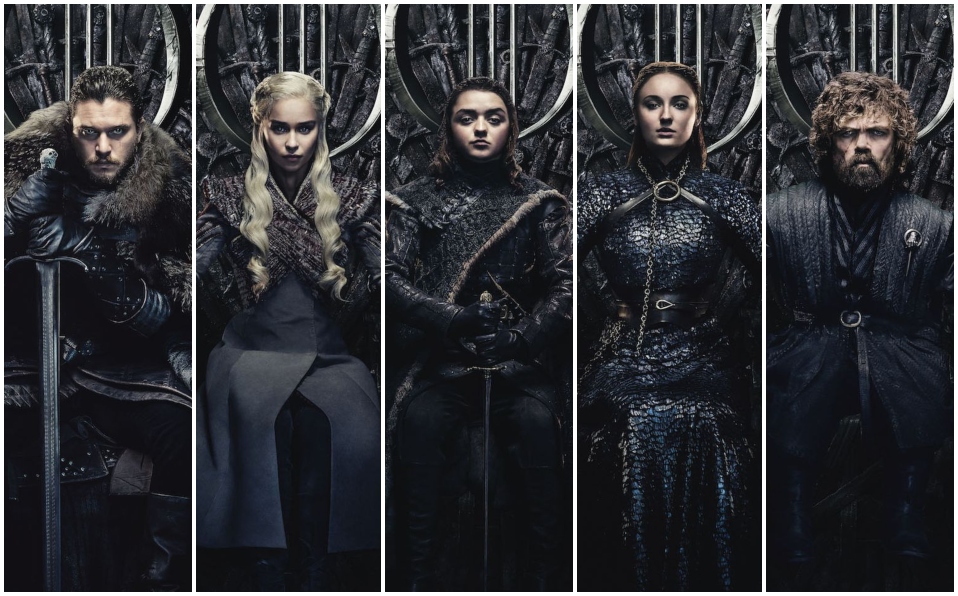
The books, House of the Dragon and the wider Westeros universe
Martin’s A Song of Ice and Fire novels provide the foundation, but the television adaptation is not a scene-by-scene reproduction. The books include characters and political details that the show condenses or excludes, while later seasons go beyond the published narrative. Finishing the HBO series does not mean reading the novels will simply repeat the same experience.
House of the Dragon is a separate prequel set roughly 200 years before Game of Thrones, exploring the Targaryen dynasty in an earlier era. It can be watched independently, although knowledge of Westeros adds texture. HBO Max has official information about both shows and their availability. HBO Max franchise guide.
Westeros has enough political and cultural detail to support different kinds of stories, which is why the franchise remains relevant long after its first series concluded. It appeals not only to fantasy fans, but also to viewers who enjoy historical power struggles and complicated family dramas.
Where to watch all eight Game of Thrones seasons legally
All eight seasons of Game of Thrones stream on HBO Max in supported territories. The catalog includes all 73 episodes; availability of audio tracks, subtitles, picture quality and plans varies by country. Use the official HBO Max website or the HBO show page to check current options.
Streaming rights are regional, so a country-specific service may differ. This article reviews the series rather than offering full episodes. If you are new to Westeros, begin with season one’s premiere, “Winter Is Coming,” and watch chronologically; skipping to famous battles would remove much of the political context.
Is Game of Thrones worth watching in 2026?
Yes — especially if you enjoy character-led drama, morally difficult choices and fully developed fictional worlds. Few long-running series can match its combination of intimate political conflict and large-scale fantasy spectacle. The fact that viewers still debate the finale speaks to the strength of the attachment built over eight seasons.
It is not flawless, and the ending may not be what every viewer wants. Those limitations should be part of the recommendation rather than hidden behind its fame. But at its best, Game of Thrones makes the fate of an entire kingdom feel dependent on the smallest of human decisions. That is the reason the series remains worth discovering and revisiting.
Game of Thrones FAQ: seasons, episodes and streaming
How many seasons of Game of Thrones are there?
There are eight seasons. The original HBO series premiered in 2011 and concluded in 2019.
How many episodes does Game of Thrones have?
There are 73 episodes: ten in each of the first six seasons, seven in season seven and six in the eighth and final season.
When did Game of Thrones first premiere?
The first episode premiered on HBO on April 17, 2011.
Is Game of Thrones season 9 happening?
No. Season eight completed the original series. Other HBO shows are set in the same world, but they are separate productions.
Do I need to read A Song of Ice and Fire first?
No. Game of Thrones is understandable on its own, although the books add political detail and follow some storylines differently.
Why was the final season controversial?
Criticism often focused on the rapid pacing of major character decisions and on the way many complex storylines were resolved in just six episodes.
Where can I stream all eight seasons?
All 73 episodes are available on HBO Max in supported regions, subject to local streaming rights and subscriptions.
Is House of the Dragon the ninth season?
No. House of the Dragon is a prequel about an earlier generation of the Targaryen dynasty, set roughly two centuries before the original series.
Official sources and image credits
HBO — official series page; Warner Bros. Discovery press materials; HBO Max — streaming and franchise information. Images depict HBO publicity photography republished in the editorial sources linked in their captions; rights remain with the respective holders. Reviewed in October 2026.