
The Devil Wears Prada 2 (2026) reunites Meryl Streep, Anne Hathaway, Emily Blunt and Stanley Tucci nearly twenty years after the original film. The world of Runway magazine has changed, with print media under pressure and advertising power moving toward new players. Director David Frankel and writer Aline Brosh McKenna return to explore what professional ambition means when yesterday’s authority no longer guarantees tomorrow’s success. This spoiler-light editorial review examines the central conflict, cast and cultural themes.
The Devil Wears Prada 2 — movie facts
| US theatrical release | May 1, 2026 |
|---|---|
| Director | David Frankel |
| Screenwriter | Aline Brosh McKenna |
| Runtime | 119 minutes |
| Returning cast | Meryl Streep, Anne Hathaway, Emily Blunt, Stanley Tucci |
| Genre | Comedy-drama |
The Devil Wears Prada 2 plot without major spoilers
Miranda Priestly has long represented power and control within fashion publishing. Yet the magazine industry that sustained her influence is changing. Runway must contend with new economic pressures as advertisers reconsider how they spend money and digital platforms reshape the relationship between media and consumers. Miranda cannot simply demand that the market remain as it was in 2006. Her professional survival now depends on negotiating in a very different business environment.
Emily Charlton, Miranda’s former assistant, has built a position of her own within the industry, putting her influence over advertising in direct conflict with her former boss. Andy Sachs also returns with years of professional experience and a changed attitude toward career success. The sequel’s premise therefore involves relationships shaped by memory, rivalry and the knowledge of what these characters once sacrificed for their ambitions.
Why the sequel matters after twenty years
The original film arrived at a moment when glossy fashion magazines held enormous cultural authority. Their editors could define trends and shape public perceptions of taste almost single-handedly. By 2026, social media, influencers, digital advertising and online retail have transformed that world. A sequel that acknowledges those changes has a natural reason to exist: it can examine what happens to people whose careers were built inside institutions that no longer dominate attention.
Time also changes the characters. Andy is no longer an inexperienced newcomer struggling to understand the office. Emily has moved beyond an assistant’s role, while Miranda faces an industry that is less willing to accept her old methods. These shifts provide a more interesting dramatic foundation than simply repeating memorable jokes and situations from the first movie.
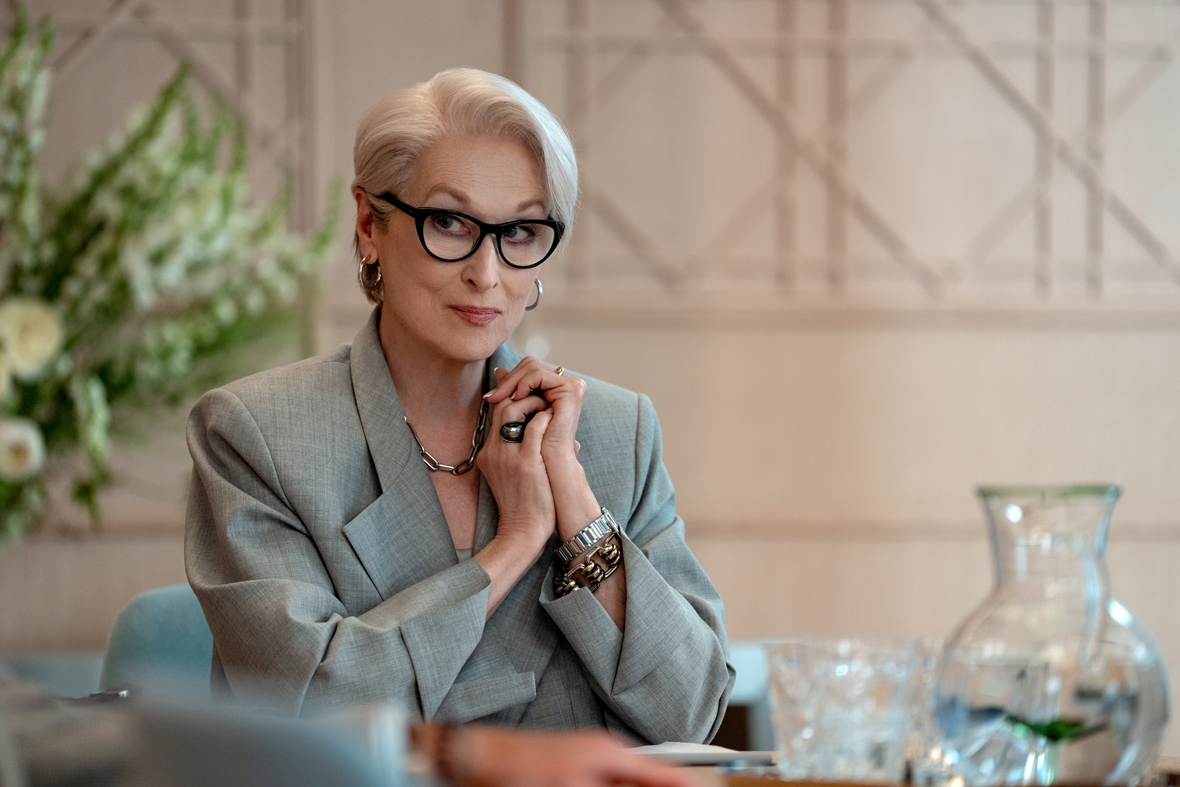
Meryl Streep, Anne Hathaway and Emily Blunt return
Meryl Streep reprises Miranda Priestly, a character whose controlled voice and carefully measured remarks have become iconic. The challenge is to show her dealing with a less predictable world without turning her into a parody of herself. Anne Hathaway returns as Andy Sachs, now a woman whose career choices are informed by experience rather than the desire to please a demanding employer. Their relationship can no longer follow the simple dynamic of boss and trainee.
Emily Blunt’s Emily Charlton now has the independence and professional authority that she once sought. Stanley Tucci returns as Nigel, whose presence provides continuity with the creative world of Runway. These performances give the sequel its emotional center. The characters carry a shared history, yet their new positions should allow for disagreements that are different from those in the 2006 story.
New cast and the changing fashion world
The returning ensemble is joined by Kenneth Branagh, Simone Ashley, Justin Theroux, Lucy Liu, B.J. Novak and other performers. The wider cast helps portray an industry shaped by business relationships, media attention and shifting cultural expectations. A successful sequel needs these newcomers to matter to the story, not merely appear as fashionable background decoration.
Fashion itself remains a storytelling language. Clothes communicate confidence, professional identity and hierarchy even before a character speaks. In the earlier film, a change of wardrobe represented Andy’s attempt to adapt to a new environment. The sequel can use that language differently: the people at Runway are older, more experienced and less certain that appearance alone can protect their influence.
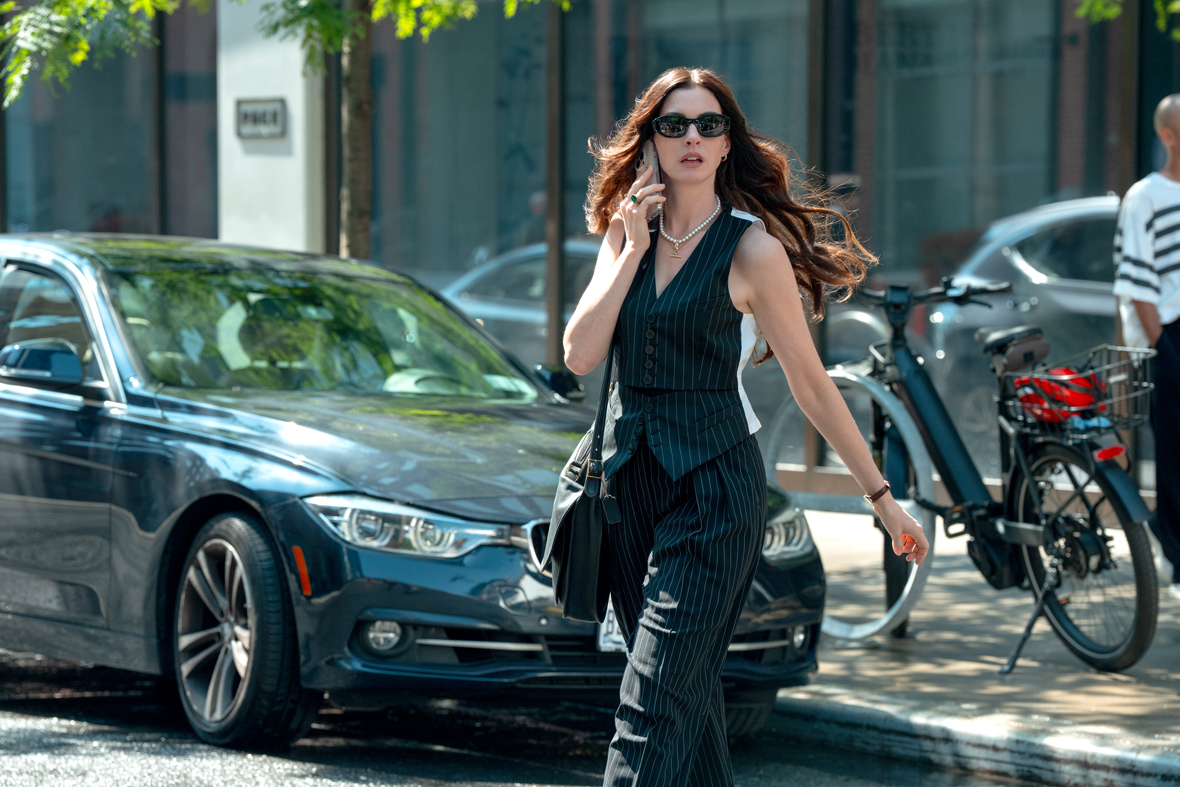
David Frankel and Aline Brosh McKenna reunite
David Frankel returns to direct, with Aline Brosh McKenna again writing the screenplay. Their involvement connects the sequel to the original film’s blend of workplace comedy and character drama. The familiar tone depends on sharp dialogue, pressure-filled professional interactions and the contrast between glamorous settings and exhausting work. Preserving those qualities is more important than reproducing every famous exchange.
A returning creative team also faces an expectation problem. Audiences remember the earlier movie with affection and may want to hear familiar lines again. But nostalgia can overwhelm a sequel unless the characters have genuinely changed. The new story works best as a portrait of professionals whose ambitions and opportunities have evolved rather than a celebration of their past success.
Review: the strengths and potential limitations
The central conflict offers a compelling way to revisit the characters. Miranda has to reckon with the limits of her old authority, while Emily occupies a position that changes their power relationship. Andy’s presence adds a perspective shaped by the decision she made at the end of the original movie. These ingredients offer more than surface-level nostalgia, allowing questions about self-respect, ambition and change to return in a new context.
The risk is that the sequel might lean too heavily on callbacks, designer outfits and familiar expressions. Spectacular costumes can make the movie visually distinctive but cannot replace character development. A well-balanced continuation should let its central figures challenge one another rather than simply recreate the workplace tensions of their younger years. This editorial overview is grounded in studio information, not an invented personal star rating.
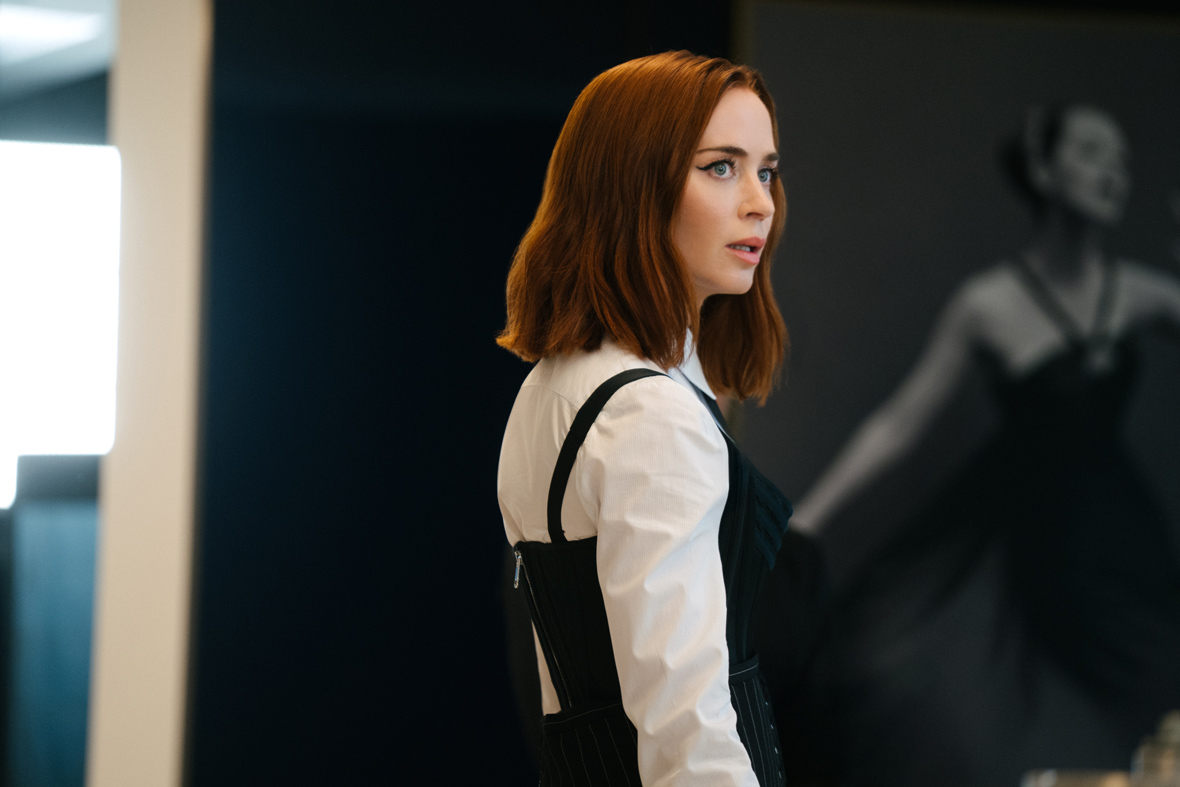
Who should watch The Devil Wears Prada 2?
Viewers who enjoyed the 2006 film for its performances, witty exchanges and portrayal of professional ambition are the natural audience. The sequel should also interest people who follow the changing economics of fashion magazines and the wider media industry. Anyone unfamiliar with the first film only needs the basic background: Andy once worked for Miranda, Emily was another assistant, and the Runway workplace shaped their choices.
What makes the story culturally relevant is the question of how people respond when the system that gave them status begins to change. Some may adapt; others may cling to a model of success that no longer works. The characters’ reactions to that dilemma offer a stronger basis for discussion than the sheer number of memorable clothes or returning faces.
What makes The Devil Wears Prada 2 relevant today?
The sequel arrives at a moment when professional identity is more complicated than it was in 2006. A prestigious media job no longer automatically carries the same power or stability. Younger professionals are also more willing to question the relationship between ambition, personal time and mental well-being. Revisiting Andy’s career therefore creates an opportunity to examine whether the sacrifices that once seemed necessary still make sense.
Miranda’s authority was built inside a particular publishing system. As advertising money and audience attention move elsewhere, her influence has to be renegotiated. Emily’s rise on the commercial side of the fashion industry makes that conflict personal. The former subordinate now controls relationships that Miranda may need, reversing the power balance audiences remember from the original film.
Costume design remains essential because fashion communicates character without lengthy explanations. A suit, a color choice or the degree of effort visible in an outfit can suggest professional confidence and social hierarchy. Yet even extraordinary wardrobe design cannot make a sequel meaningful on its own. The film’s enduring appeal will depend on whether Andy, Miranda and Emily have relationships worth revisiting beyond the pleasure of recognition.
Frequently asked questions
When did the sequel premiere in US theaters? May 1, 2026.
Who directed the film? David Frankel.
Which original stars returned? Meryl Streep, Anne Hathaway, Emily Blunt and Stanley Tucci.
More films about identity and expectations
The Devil Wears Prada 2 revisits career ambitions and the social meaning of appearance. For a very different, science-fiction take on how a woman’s body and public identity are judged, see our The Fix (2024) review. Find more original coverage among our other movie reviews.
Image and information sources
20th Century Studios — official movie page; D23 — cast and production photos. Images © Disney / 20th Century Studios. Crediting the source does not automatically grant reuse rights.