
Resident Evil (2026) is Zach Cregger’s new horror film inspired by Capcom’s long-running survival-horror franchise. Rather than remaking a previous installment scene by scene, the director tells a standalone story about Bryan, a medical courier played by Austin Abrams, whose routine assignment turns into a night of escalating terror. Our spoiler-free review explains the premise, cast and creative choices without inventing scenes or revealing the ending.
Movie details
| Release | September 18, 2026 |
|---|---|
| Director | Zach Cregger |
| Writers | Zach Cregger and Shay Hatten |
| Cast | Austin Abrams, Zach Cherry, Kali Reis, Paul Walter Hauser |
| Genre | Survival horror |
Resident Evil (2026) release date and production details
Resident Evil opened in theaters on September 18, 2026. Zach Cregger directed the movie and co-wrote its screenplay with Shay Hatten. The production involves Sony Pictures, Constantin Film and partners. The official synopsis emphasizes a frightening new story rather than a direct continuation of the earlier live-action movie continuity.
This distinction matters for both longtime fans and newcomers. Viewers who have played the games may recognize the franchise’s atmosphere, but the film is designed around a character who experiences the danger without a soldier’s preparation. Its appeal comes from the tension between an ordinary working night and an environment that suddenly becomes impossible to navigate.
Resident Evil plot: what happens to Bryan?
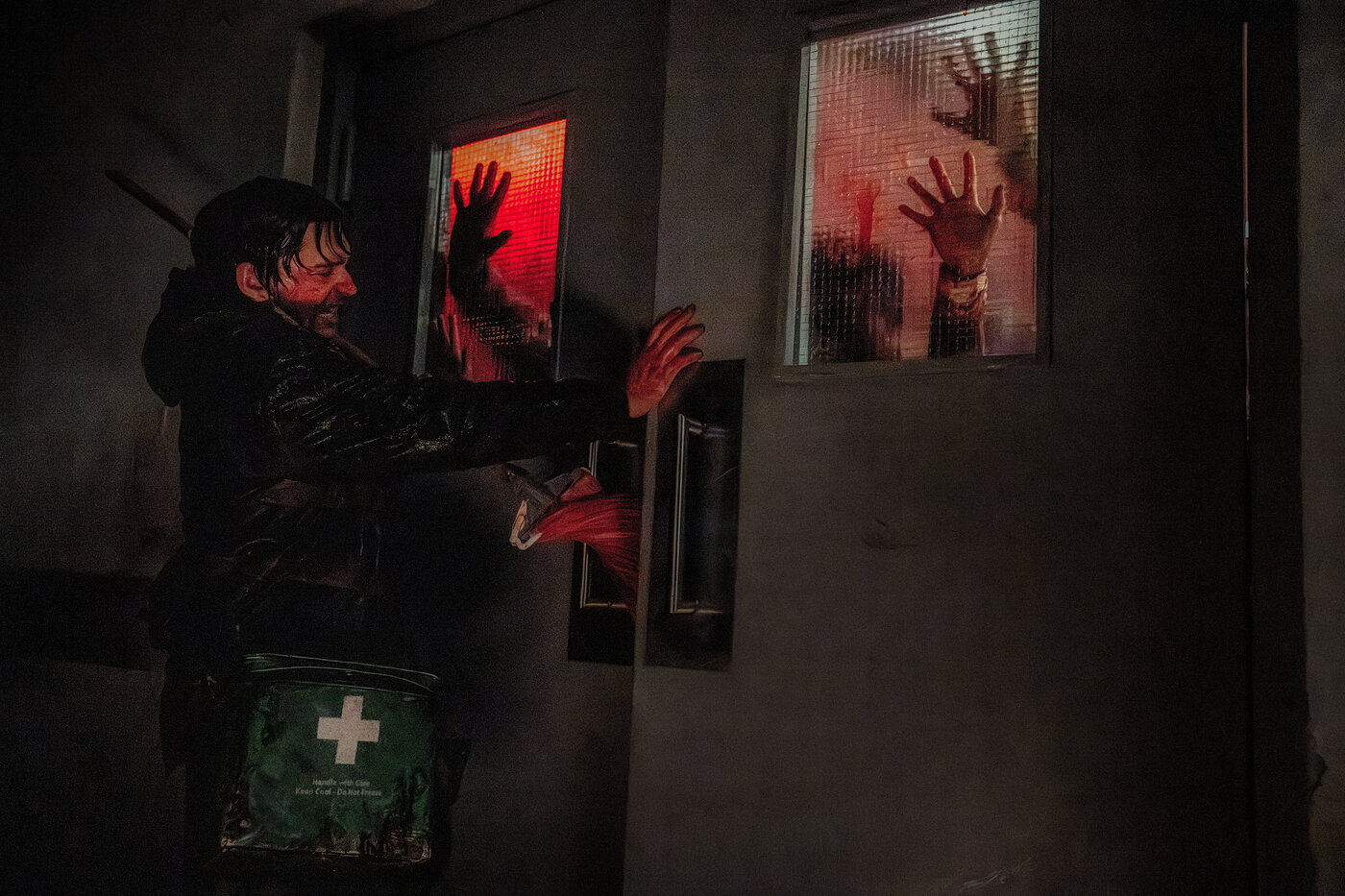
Bryan works as a medical courier. His job normally involves moving supplies or deliveries through familiar surroundings, but one assignment places him in an unfolding nightmare. According to Sony, a single fateful night transforms into a race for survival. The premise avoids starting with a fearless action hero who already knows how to defeat every threat. Bryan instead has to improvise and respond as new dangers emerge.
The short official synopsis deliberately avoids explaining every source of the outbreak or the final resolution. That secrecy suits the genre: suspense is stronger when the audience discovers the environment at the same time as the protagonist. Rather than fill in unknown plot details, a spoiler-free discussion should focus on how the character’s vulnerability changes the kind of horror the film can create.
How this adaptation approaches the video games
Resident Evil games have explored several forms of horror, from confined spaces with limited supplies to large-scale action scenarios. Earlier movies also varied widely in tone and continuity. A fresh adaptation therefore faces a challenge: it needs to respect the appeal of a familiar name while telling a coherent story that does not require an encyclopedia of game lore.
Cregger’s approach, as presented by the distributor, favors a direct survival narrative. A medical courier confronting an unforeseen disaster provides a naturally limited point of view. Such a character cannot take control by simply reaching for military-grade weapons or relying on extensive combat training. His unfamiliarity with the threat becomes central to the suspense.
Austin Abrams and the Resident Evil cast
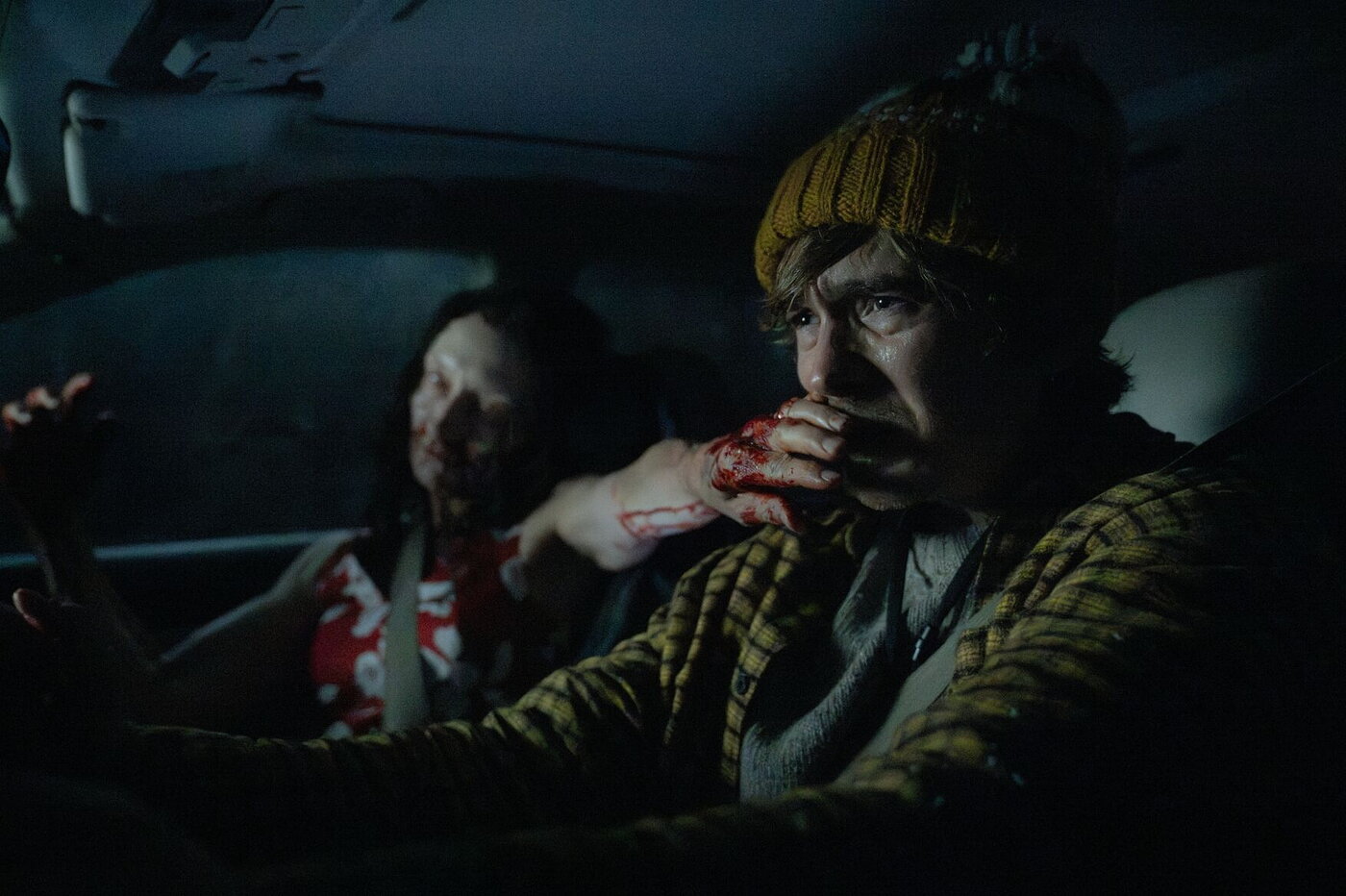
Austin Abrams stars as Bryan. The official cast also includes Zach Cherry, Kali Reis and Paul Walter Hauser. Those names are confirmed by Sony Pictures, while speculation about additional game characters should be treated cautiously. For a standalone story, the supporting performers matter because their choices can establish whom the central character should trust and how the situation is changing.
An effective survival-horror performance often depends on small reactions. A character hearing an unfamiliar sound, recognizing a dangerous pattern or hesitating before entering a room can create more unease than a large action sequence. The cast must make fear believable and show that every decision carries a cost. This kind of grounded acting can provide an anchor for otherwise extraordinary events.
Review of the premise: dread, uncertainty and survival
The strongest feature of Resident Evil’s official premise is its simplicity. An ordinary person is trapped in a rapidly deteriorating situation. That gives the filmmakers opportunities to build dread from the contrast between recognizable urban environments and unfamiliar threats. Safe routes disappear, strangers become difficult to trust and familiar routines lose their meaning.
Cregger’s work on previous horror films suggests an interest in uncertainty and sudden reversals of audience expectations. However, it would be misleading to claim that every technique from his earlier projects appears in Resident Evil without checking the finished film. This editorial review examines the confirmed premise and creative background rather than inventing an evaluation of unseen sequences.

Who should watch Resident Evil (2026)?
The film should interest viewers looking for survival horror with a vulnerable central character and a tense, escalating situation. Fans of the games may also be curious about an adaptation that does not simply replay a familiar plot. The new approach could make the franchise accessible to audiences who have never encountered its characters before.
Anyone expecting a direct sequel to the Paul W. S. Anderson movies, or a literal adaptation of a particular game’s campaign, should note the different premise. The movie belongs to the Resident Evil universe by inspiration and branding, but its central story is about Bryan and one terrifying night. That makes it potentially distinctive rather than merely another retelling.
Resident Evil (2026): questions and answers
When was the movie released? September 18, 2026. Who directed it? Zach Cregger. Who plays the lead character? Austin Abrams as Bryan. Is it connected to the earlier film series? The official material describes an all-new story rather than a direct continuation.
The production information and synopsis have been checked against Sony Pictures. The three landscape film stills are sourced from the OutNow photo gallery, with individual links and attribution below each image and in the image-sources section. Crediting a source does not by itself establish permission from the rights holder.
Image sources
Source: Sony Pictures — Resident Evil (2026).
1 thought on “Resident Evil (2026) — Zach Cregger Horror Movie Review, Plot and Cast”