
East of Eden (2026) is a Netflix historical drama starring Florence Pugh, Christopher Abbott and Mike Faist. Adapted from John Steinbeck’s landmark novel, the seven-part limited series explores the Trask family’s tangled relationships, the long shadow of childhood rivalries and the possibility of choosing a different future. In this spoiler-free review, we look at the story, principal cast, literary background, and what makes this new adaptation worth watching.
East of Eden (2026): release date and episode guide
East of Eden premiered on Netflix on October 1, 2026. The project is presented as a seven-episode limited series, giving its creators considerably more space than a feature film to explore the characters and the consequences of their decisions. The series draws on Steinbeck’s 1952 novel, one of the author’s most widely discussed works of fiction.
| Original title | East of Eden |
|---|---|
| Year | 2026 |
| Netflix release | October 1, 2026 |
| Format | Limited series, 7 episodes |
| Genre | Historical family drama |
| Based on | John Steinbeck’s novel (1952) |
| Adapted by | Zoe Kazan |
| Starring | Florence Pugh, Christopher Abbott, Mike Faist |
| Streaming platform | Netflix |
The series is a standalone adaptation rather than a sequel to an earlier movie. New viewers can approach the show without reading the novel or watching the classic screen version first. Those familiar with Steinbeck’s work, however, may be especially curious to see which perspectives a modern television production chooses to emphasize.
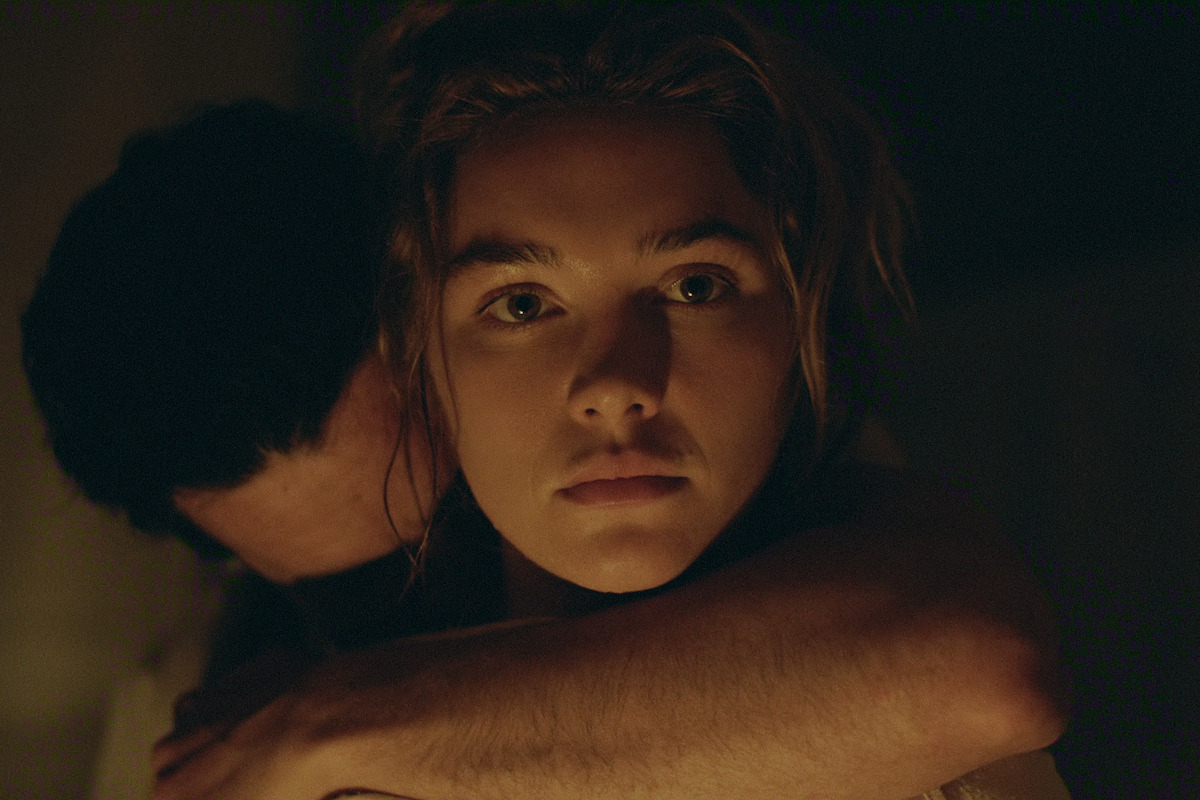
What is East of Eden about? A spoiler-free plot summary
The story takes place in America around the turn of the twentieth century. Adam and Charles Trask grow up under the weight of family expectations, struggling to understand why affection and recognition seem to come so unevenly. Their shared upbringing does not bring them closer together. Instead, it leaves them with different ideas of loyalty, success, and what they believe they deserve from the people around them.
Into this already fragile world comes Cathy Ames, an intelligent, defiant woman whose ambitions cannot easily be reconciled with the narrow roles society expects her to accept. Her arrival changes the dynamics of the Trask family and sets in motion decisions that have consequences far beyond a single relationship.
On the surface, this might sound like a traditional period romance or a familiar tale of rival brothers. But Steinbeck’s material is interested in something harder to resolve: how much of our identity is shaped by those who came before us? Can someone raised among resentment and emotional conflict break away from that pattern, or will the family keep repeating its mistakes?
Rather than spoiling the later twists, it is enough to say that the narrative reaches beyond one generation. Affection, guilt, rivalry and the hunger for independence become themes that pass from parents to children, sometimes in ways the characters do not immediately recognize.
Florence Pugh as Cathy Ames: the adaptation’s central perspective
One of the most interesting choices in this new version is its focus on Cathy Ames. In Steinbeck’s novel, Cathy is an unsettling, morally ambiguous figure. She can be difficult to sympathize with, yet reducing her to a single label would miss the larger questions that make her part of such a lasting story.
By giving Cathy more room, a limited series can explore not only what she does but also the pressures, fears and desires behind her behavior. That does not require the screenplay to excuse every decision. The more compelling approach is to make her a fully developed character whose motives viewers can examine, challenge and argue about.
Florence Pugh brings experience playing complicated characters who combine vulnerability with resistance. In a period drama, where social rules frequently determine a woman’s opportunities, this balance is particularly significant. Cathy’s relationships with the Trask brothers invite questions about individual choice, control and the cost of refusing the expectations of others.
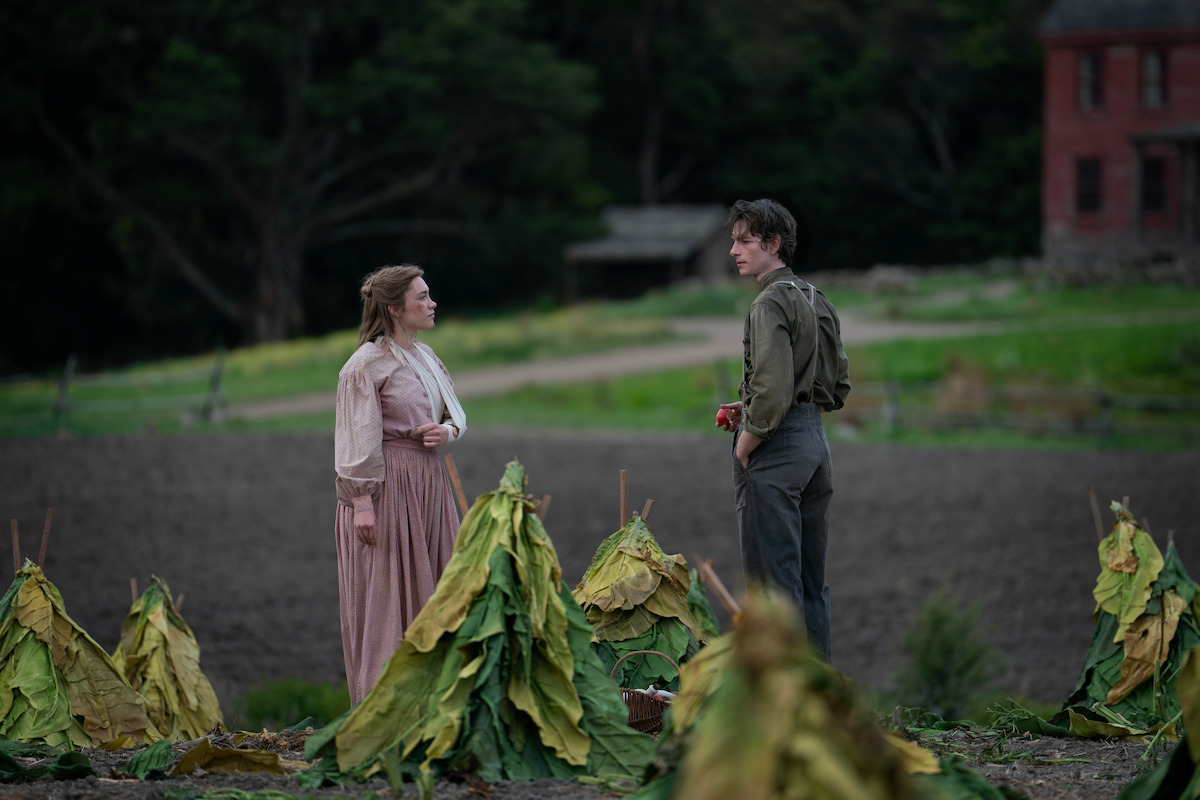
East of Eden cast: who plays the Trask brothers?
Christopher Abbott plays Adam Trask, while Mike Faist plays his brother Charles. Their rivalry is important because it establishes the emotional framework for much of what follows. These are not simply two men competing over the same person. They carry years of disappointment and opposing beliefs about their own worth into every new encounter.
The supporting ensemble includes performers such as Tracy Letts, Martha Plimpton and Ciarán Hinds. The mix of generations is well suited to a family saga in which the past remains present, even when the story moves forward in time. Relationships between parents, siblings and children all contribute to the bigger question of whether a family can outgrow its history.
The television adaptation was developed by Zoe Kazan. There is also a noteworthy link to film history: Zoe is the granddaughter of director Elia Kazan, who brought East of Eden to the cinema in 1955. That connection gives the new project an unusual family dimension without making it a remake of his film scene for scene.
How does the Netflix series compare with the book and the 1955 film?
Published in 1952, John Steinbeck’s novel spans a much broader period than the best-known Hollywood adaptation. The 1955 movie, starring James Dean, concentrated on a selected part of that family history. Its emotional intensity helped make it a classic, but the feature-film format inevitably left out many developments from the larger novel.
A seven-episode television series has the potential to shift attention toward different characters and to spend more time on the earlier causes of familiar conflicts. In particular, the decision to foreground Cathy offers a perspective that may differ from what viewers remember of the movie.
It is worth resisting the temptation to judge an adaptation exclusively by the number of scenes taken directly from the book. The more useful questions concern its interpretation: Does the new series make the characters’ choices believable? Does it preserve the book’s exploration of moral freedom? Can it communicate the passage of years without losing the emotional connection between events?
Those questions make East of Eden appealing both as a television drama and as a subject for readers interested in how literary stories change between generations of filmmakers.
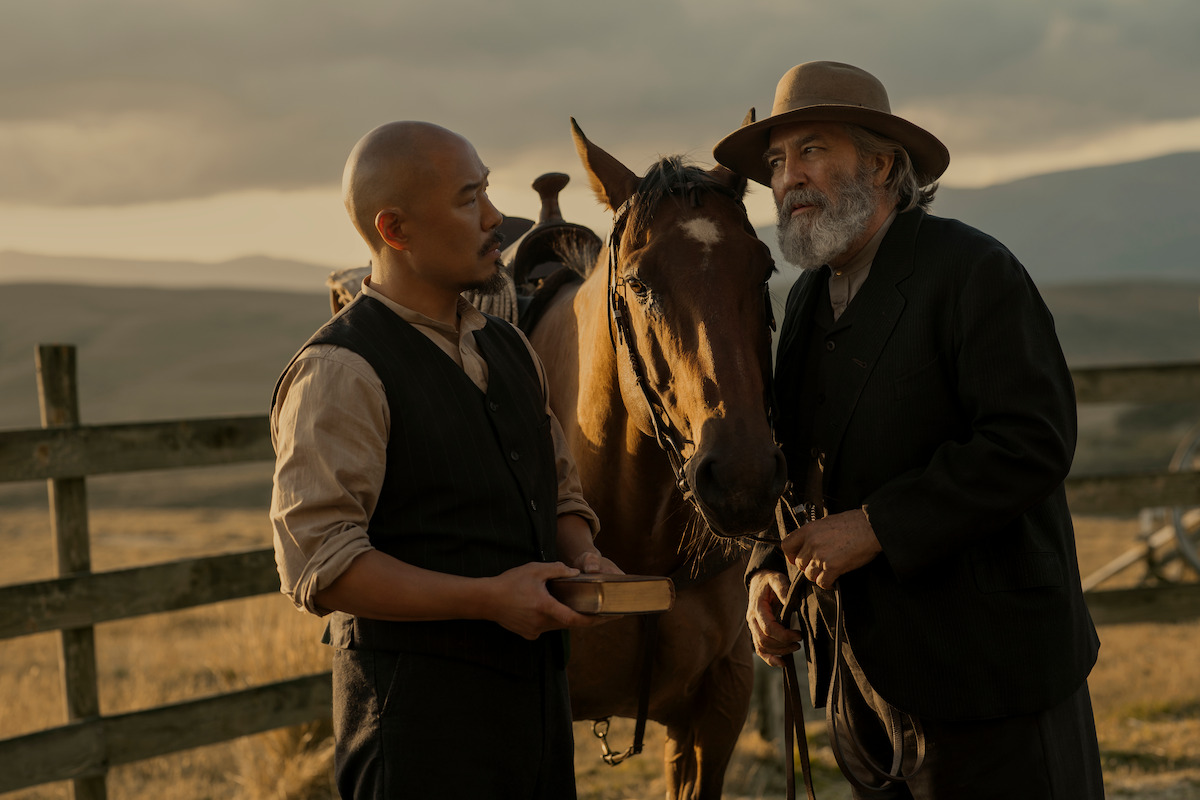
Family secrets, moral choice and the appeal of a historical setting
A major strength of the premise is its timelessness. Although the characters live in a different era, their fears are recognizable: they want to be understood, to feel loved and to escape judgments made long before they had a voice in their own lives. The historical setting intensifies these concerns because social reputation and family obligations could place unusually strict limits on individual behavior.
Landscapes, homes and clothing are more than decorative period details. They help convey the world that shapes the characters, including the distance between inherited expectations and personal ambition. For an adaptation to succeed, its visual style must support the drama rather than simply provide attractive images.
The underlying novel also engages with the question of free will: people may inherit pain, but they are not automatically condemned to make the same choices. That idea creates a lasting tension between the family’s past and the possibility of a different future.
East of Eden review: who should watch the series?
Based on its official synopsis and production materials, East of Eden is a strong fit for viewers interested in character-driven historical dramas, morally complex protagonists and family stories that stretch across generations. It offers a different experience from a quick mystery or action-heavy thriller: the appeal lies in conversations, relationships and the consequences of decisions that can take years to emerge.
Fans of Florence Pugh have an additional reason to be curious about the new interpretation of Cathy. Readers of Steinbeck may enjoy comparing the series with the original text, but the show is not intended only for people who have already studied the novel.
If you prefer fast-paced adventure with clearly defined heroes and villains, the difficult emotions and morally uncertain characters may require some patience. For viewers who value psychological depth and literary drama, those same qualities are likely to be part of the attraction.
This article is a spoiler-free editorial overview based on published Netflix materials and the novel’s background, not a claim that we personally watched every episode. We therefore avoid inventing a numeric rating or describing unverified scenes as facts.
Where to watch East of Eden (2026)
East of Eden is available through Netflix’s official series page in supported markets. Regional availability, subtitles and audio languages may differ by country and account. For interviews, production photographs and further background, consult Netflix Tudum.
The promotional photos in this article are official stills; they are not screenshots from an unauthorized copy of the show. Netflix access requirements apply to complete episodes.
East of Eden (2026): frequently asked questions
When was East of Eden released? October 1, 2026.
How many episodes are there? Seven in the limited series.
Who plays Cathy Ames? Florence Pugh.
Is the Netflix series based on a book? Yes. John Steinbeck’s 1952 novel of the same name.
Is it a continuation of the 1955 movie? No, it is a new standalone adaptation.
Do I need to read the novel first? No, although knowing the book can make the comparison more rewarding.
Where can I stream the series? Netflix, subject to regional availability.
Read next: Animals (2026) — Ben Affleck thriller review and Below (2026) — Netflix mystery series review.
Explore more English-language coverage in Reviews and TV Series.
Sources: Netflix Tudum — official photos and series information; Netflix official title page.